Corrosion Resistant Structural Steel Pipe for Harsh Environments
Release time:2026-02-23 Click:12
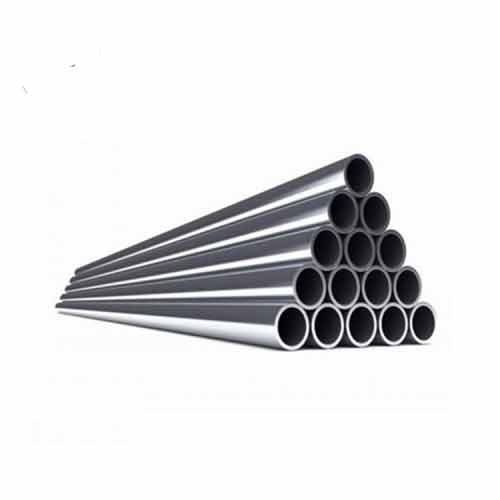
In industries such as offshore oil drilling, chemical processing, and marine construction, standard carbon steel pipes simply cannot withstand the aggressive nature of saltwater, acidic fumes, and extreme humidity. Corrosion-resistant structural steel pipes are engineered with specific alloy compositions, often featuring high levels of chromium and nickel, or are coated with advanced zinc-rich primers and epoxy resins. These materials create a passive oxide layer on the surface that self-repairs when scratched, effectively stopping rust from spreading and compromising the structural integrity of the pipe.
The longevity of these pipes significantly reduces the lifecycle costs associated with infrastructure maintenance. Unlike traditional pipes that require frequent replacement or costly cathodic protection systems, corrosion-resistant variants are designed to last for decades even when submerged in seawater or buried in corrosive soils. Their high tensile strength ensures they can bear heavy structural loads and resist impact from debris or high-pressure flows, making them the backbone of safe and reliable piping systems in environments where failure is not an option.
Furthermore, the use of these pipes enhances safety and environmental protection. By preventing leaks caused by rust-through, they stop hazardous fluids from escaping into the ecosystem. The smooth interior walls of these pipes also reduce friction loss, improving the efficiency of fluid transport systems. For engineers designing platforms, pipelines, or treatment facilities, selecting corrosion-resistant structural steel is a critical decision that ensures operational continuity and compliance with strict environmental regulations.
Previous article:PE-Coated Metal Pipe for Municipal Water Supply & Sewerage Systems
Next article:Strong Joints for Industrial Piping: Mastering Metal Pipe Welding
Hot products
Mobile: +86 15369229308
Email:metalproducts2025@163.com
Email:565169797@qq.com