The Indispensable Role of Steel Pipe in Modern Infrastructure
Release time:2026-02-13 Click:8
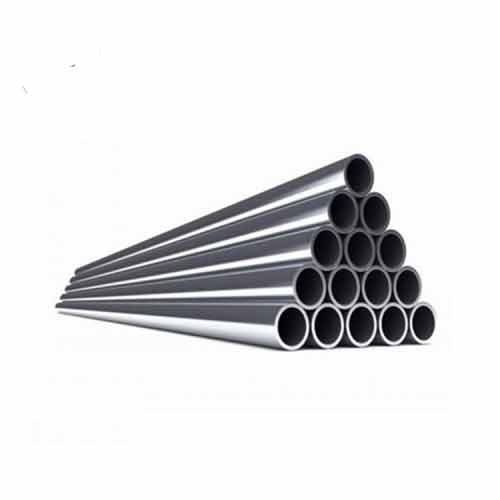
Steel pipe, a cylindrical hollow structure forged from iron-carbon alloys, stands as a cornerstone of modern engineering, enabling the safe transport of fluids, gases, and solids across industries. Its unmatched tensile strength, durability, and adaptability to extreme conditions—from subzero temperatures to high-pressure environments—make it irreplaceable in constructing resilient infrastructure. From skyscraper frameworks to oil pipelines, steel pipe merges raw power with precision engineering, underpinning the functionality of societies worldwide.
The manufacturing of steel pipe involves rigorous processes to ensure quality. Seamless steel pipes are formed by piercing solid billets and rolling them into shape, ideal for high-pressure applications like hydraulic systems. Welded steel pipes, created by rolling steel coils into tubes and welding the seam, are cost-effective for large-diameter projects such as water mains. Materials range from carbon steel (for general use) to stainless steel (corrosion-resistant) and alloy steel (heat-tolerant), with coatings like zinc (galvanization) or epoxy enhancing longevity. Standards like ASTM A53 (general purpose) and API 5L (oil/gas) govern dimensions and performance.
Applications of steel pipe span critical sectors. In construction, they form structural columns and scaffolding for high-rise buildings. Oil and gas industries rely on them for drilling risers and transmission pipelines, withstanding pressures up to 10,000 psi. Water treatment plants use large-diameter steel pipes to distribute potable water, while HVAC systems employ smaller pipes for refrigerant flow. Even renewable energy projects, like geothermal plants, use steel pipes to circulate hot fluids.
Advantages of steel pipe include its strength-to-weight ratio, recyclability, and resistance to deformation. It outperforms plastic or copper pipes in high-stress scenarios, such as underground burial or seismic zones. Unlike cast iron, it resists cracking under impact. Additionally, steel pipe is 100% recyclable, aligning with sustainable construction goals. Its smooth interior minimizes friction loss in fluid flow, improving efficiency in pumping systems.
Maintenance of steel pipe focuses on corrosion prevention and structural integrity. Regular inspections using ultrasonic testing detect internal flaws, while external checks identify rust or coating damage. For buried pipes, cathodic protection (sacrificial anodes) neutralizes soil acidity. Welded joints are monitored for leaks, and damaged sections are replaced with matching specifications. In coastal areas, stainless steel or coated pipes mitigate saltwater corrosion.
In summary, steel pipe is the backbone of modern infrastructure, marrying strength with versatility. Its evolution from rudimentary cast tubes to precision-engineered seamless variants reflects humanity’s drive to build safer, more efficient systems. As urbanization and industrialization advance, steel pipe will remain indispensable in shaping resilient communities.
Previous article:Construction Metal Pipe: The Backbone of Modern Buildings
Next article:Welded Metal Pipe Applications in Construction
Hot products
Mobile: +86 15369229308
Email:metalproducts2025@163.com
Email:565169797@qq.com