Combat Corrosion with a Stainless Steel Metal Pipe
Release time:2026-02-11 Click:7
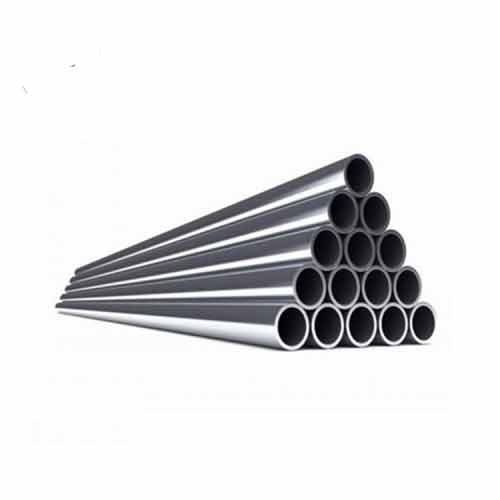
In the world of plumbing, construction, and industrial engineering, the durability of piping systems is paramount. One of the most persistent threats to these systems is corrosion, which can lead to leaks, contamination, and structural failure. Stainless steel metal pipes have emerged as the premier solution for combating this issue, offering a robust combination of strength, longevity, and resistance to the elements that ensure the integrity of fluid transport for decades.
The primary mechanism that gives stainless steel its name is its ability to "stain" less, or essentially, resist rust. This is achieved through the presence of chromium, which reacts with oxygen in the atmosphere to form a thin, invisible layer of chromium oxide on the surface of the pipe. This passive layer acts as a shield, protecting the iron within the steel from oxidizing. Unlike carbon steel, which will corrode and flake away over time, the protective layer on stainless steel is self-repairing, meaning if scratched, it immediately reforms in the presence of oxygen.
For industrial applications, the choice of stainless steel piping is often a matter of safety and purity. In environments where pipes are exposed to aggressive chemicals, high temperatures, or saline conditions, standard metals often fail rapidly. Stainless steel, particularly grades like 304 and 316, is specifically formulated to withstand these harsh environments. This resistance prevents the pipe walls from thinning and bursting, ensuring that hazardous materials remain contained and the system remains operational without frequent, costly shutdowns for repairs.
In municipal water supply and medical facilities, the hygienic properties of stainless steel are just as important as its corrosion resistance. The smooth internal surface of the pipe makes it incredibly difficult for bacteria and biofilm to adhere. This ease of cleaning and sterilization ensures that the water or fluids transported remain uncontaminated. Furthermore, because the metal does not leach chemicals or rust into the flow, it preserves the taste and quality of drinking water, making it the gold standard for potable water systems.
While the initial cost of stainless steel piping is higher than that of plastic or carbon steel, it is a financially sound investment over the long term. The lifecycle costs are significantly lower because the material does not require frequent replacement or expensive maintenance treatments like painting or cathodic protection. Its ability to withstand pressure surges and physical impact without degrading means that once installed, it provides a "fit and forget" solution that saves money on labor and parts over the life of the building or plant.
In conclusion, combating corrosion with a stainless steel metal pipe is the smartest choice for any project demanding reliability and longevity. It offers unparalleled protection against the elements, ensures the purity of the contents, and stands up to the rigorous demands of industrial and residential use. By choosing stainless steel, engineers and contractors invest in a system that guarantees performance and peace of mind for years to come.
Previous article:Eco-Friendly Culvert Corrugated Metal Pipe with Natural Stream Integration
Next article:Essential Connections: The Role of Pipe Fittings in Plumbing Systems
Hot products
Mobile: +86 15369229308
Email:metalproducts2025@163.com
Email:565169797@qq.com